

Hair loss is often a symptom, not the root cause
Rather than offering a one-size-fits-all solution, we perform individualized clinical assessments, advanced laboratory evaluation, and personalized treatment planning tailored to each patient’s unique presentation.
Comprehensive hair health assessment
Your assessment begins with a detailed physician consultation focused on understanding the full clinical picture — including your symptoms, medical history, lifestyle factors, stress, nutrition, medications, hormone health, and hair concerns.
Based on your presentation, comprehensive laboratory testing may be recommended to evaluate underlying contributors that are not always identified through routine screening. Testing often includes advanced hormone, metabolic, nutritional, inflammatory, and thyroid markers relevant to hair health.
Once results are available, your physician will review findings with you, interpret how they relate to your symptoms, and develop a personalized treatment strategy.
Treatment recommendations may include topical or prescription therapies, compounded formulations, hormonal optimization, nutritional support or stress and lifestyle interventions. Our goal is not simply to treat hair loss as an isolated symptom, but to better understand the broader factors that may be contributing to changes in hair health over time.
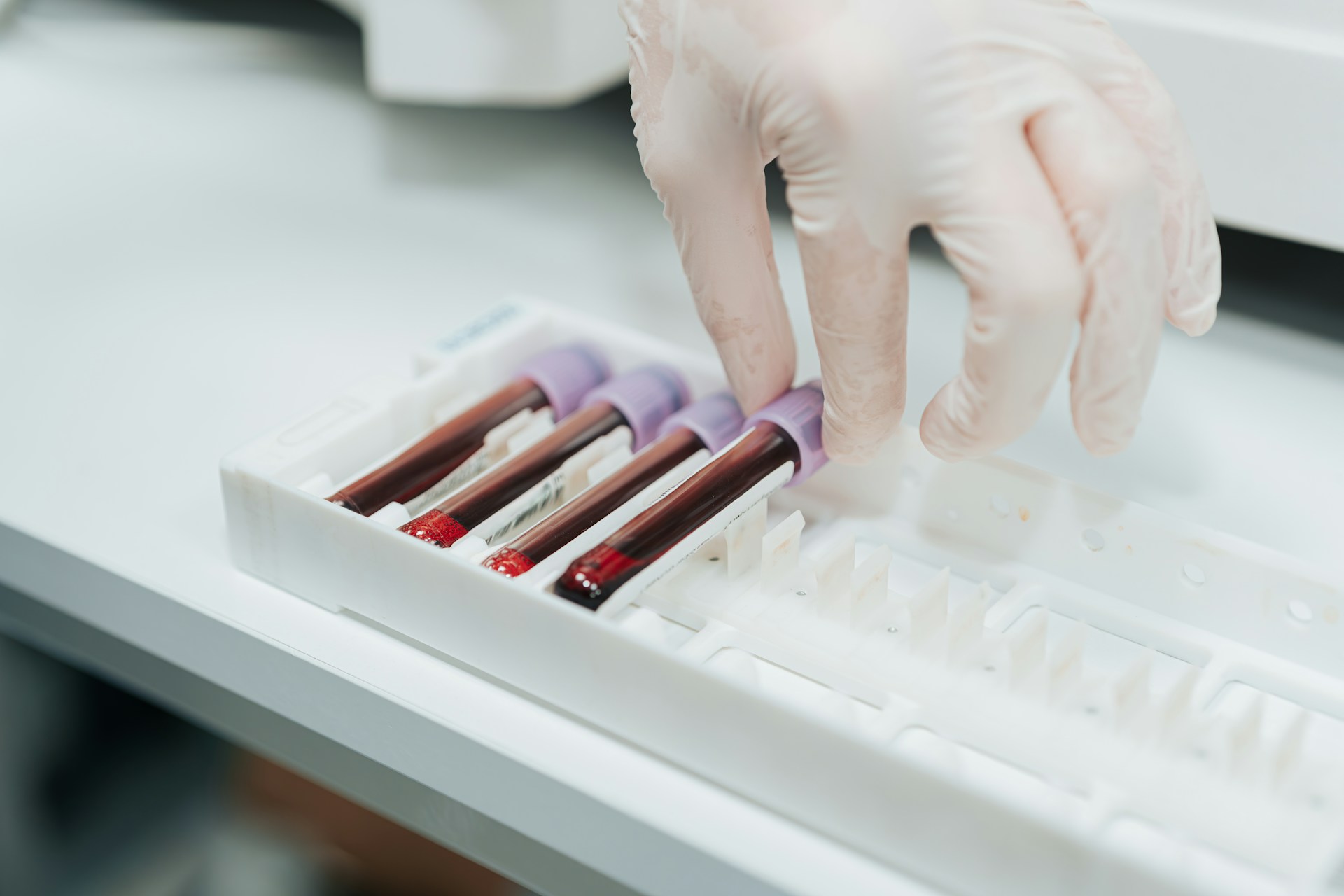

Physician-led, root-cause focused care
Hair loss is often multifactorial. In many cases, symptoms may reflect a combination of hormonal, nutritional, metabolic, inflammatory, lifestyle, or stress-related factors.
Our role is to investigate these contributing factors through a comprehensive medical lens and develop individualized treatment recommendations grounded in evidence-based care.
Unlike approaches focused primarily on cosmetic treatment or scalp-level intervention alone, our assessments are designed to understand how internal health may be influencing hair health and overall wellbeing.
When beneficial, we may also collaborate with or refer to additional healthcare professionals, including trichologists, as part of a comprehensive approach to care.
What's included in the comprehensive hair health assessment
- Detailed physician-led medical intake
- Assessment of hormonal, metabolic, nutritional, and lifestyle contributors
- Review of biomarkers not routinely assessed in standard screening
- Personalized interpretation of findings
- Individualized treatment strategy
- Prescription or compounded therapies where appropriate
- Guidance on nutrition, stress, and long-term hair health support
Because no two cases are the same, care is individualized and designed to evolve alongside your symptoms, goals, and response to treatment.
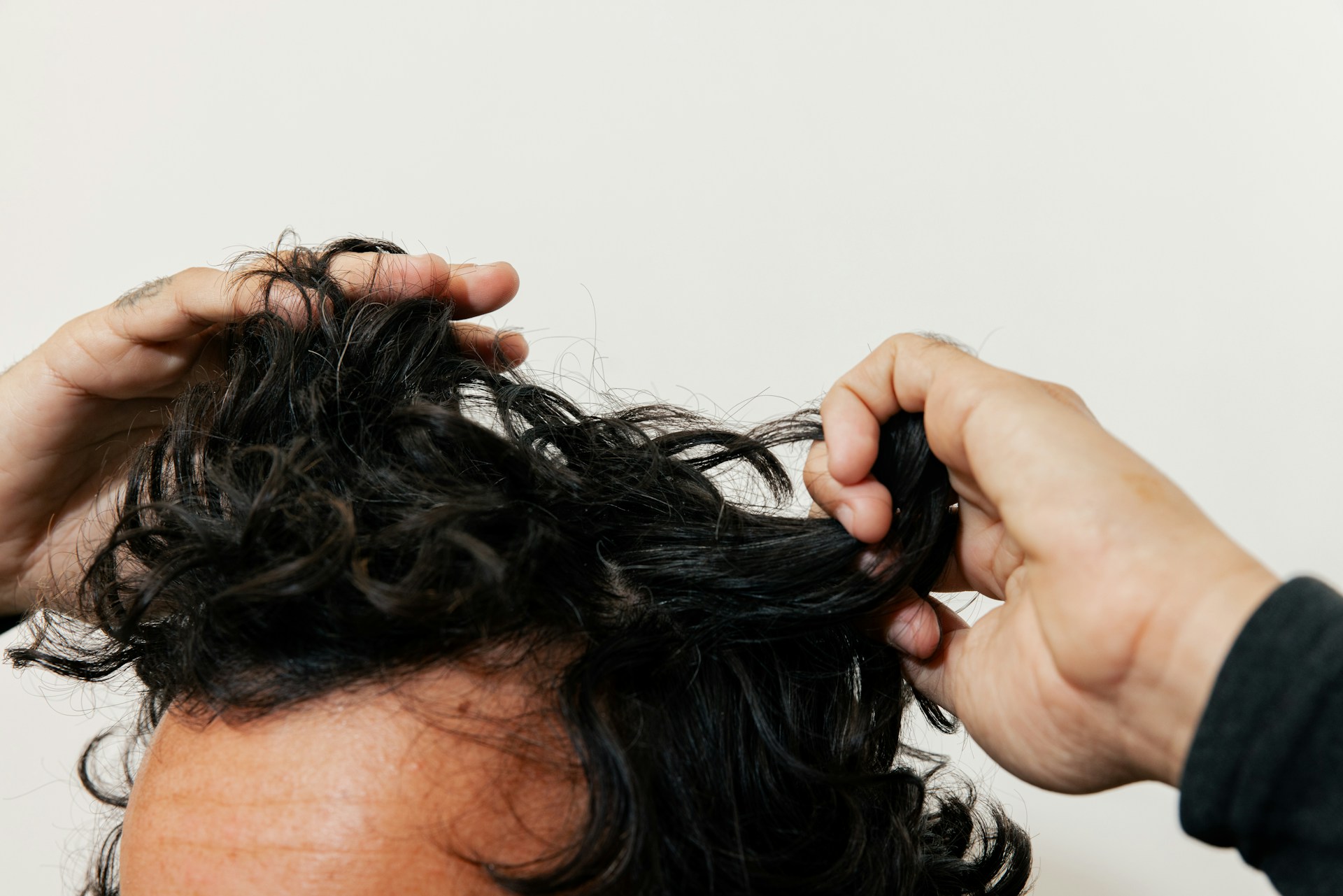
Medical insight for hair health
FAQs
How much is a comprehensive hair health assessment?
A comprehensive physician-led hair health assessment is $600 (50% payable at the time of booking).
This evaluation is designed to identify and assess the underlying hormonal, metabolic, nutritional, and lifestyle factors contributing to hair thinning or loss, with individualized clinical interpretation and treatment planning.
Follow-up visits are structured based on clinical need:
- 30-minute follow-ups: $300
- 15-minute follow-ups: $150
How many follow up appointments will I need?
Follow-up needs vary from person to person and depend on your symptoms, laboratory findings, treatment plan, and response to care.
Some patients require only an initial assessment and treatment plan, while others benefit from ongoing follow-up to monitor progress, adjust treatment, and reassess laboratory markers over time.
Hair, hormone, and metabolic concerns are often influenced by multiple factors and can evolve over time. Our approach is individualized, with follow-up care tailored to your clinical needs and goals.
What causes hair loss?
Hair loss is often multifactorial, involving a combination of genetic, hormonal, metabolic, nutritional, and inflammatory influences.
Evaluation at Medalma focuses on identifying underlying clinical contributors, including:
- Androgen-related hair loss (DHT sensitivity)
- Hormonal changes (thyroid, estrogen, testosterone, PCOS)
- Nutritional deficiencies (iron, zinc, vitamin D, biotin)
- Metabolic factors such as insulin resistance
- Stress-related and inflammatory processes
- Autoimmune conditions and scalp disorders
- Mechanical or traction-related loss
Assessment is guided by medical history, clinical evaluation, and targeted laboratory testing to inform individualized treatment planning.
What role does PCOS play in hair loss?
Women with PCOS may experience androgen-related hair loss due to increased sensitivity to androgens such as testosterone and DHT. This can contribute to progressive scalp thinning in some individuals.
At Medalma, assessment focuses on hormonal and metabolic contributors, with individualized treatment strategies considered based on clinical evaluation.
How does MEDALMA treat hair loss?
Treatment is individualized based on clinical assessment and underlying contributing factors.
Plans may include compounded topical therapies, nutritional optimization, hormonal or metabolic interventions when indicated, and management of inflammatory or scalp-related conditions.
Care is adjusted over time based on clinical response and follow-up evaluation.
What is finasteride?
Dihydrotestosterone (DHT) is a hormone derived from testosterone that contributes to androgen-related hair loss in genetically susceptible individuals.
Finasteride reduces DHT production and may slow the progression of this type of hair loss in some patients. Potential side effects are reviewed and monitored as part of clinical care.
Hair loss is often multifactorial, and treatment is guided by a comprehensive clinical assessment rather than a single mechanism.
Is finasteride prescribed at MEDALMA?
Finasteride may be considered as part of a treatment plan when clinically appropriate, particularly in cases of androgen-related hair loss.
Because hair loss is often multifactorial, treatment decisions are based on a comprehensive medical evaluation, including hormonal, metabolic, nutritional, and inflammatory factors. This helps ensure that therapy is appropriately targeted to the underlying drivers of hair loss.
All treatment options, including potential benefits and risks, are reviewed as part of shared clinical decision-making with your physician.
Can supplements really help hair growth?
Supplements may support hair health when specific nutritional deficiencies are present. Key nutrients such as iron, zinc, vitamin D, and biotin play roles in normal hair growth and follicular function.
At Medalma, supplementation is guided by clinical assessment and laboratory testing, and is recommended only when indicated based on individual needs rather than used routinely.
How long before I see results?
Hair growth occurs in slow cycles, so visible changes typically take time. Some patients may notice early signs of improvement within 3–6 months, with more meaningful changes generally observed over 6–12 months depending on the underlying cause and treatment approach.
Response varies based on individual factors, including the drivers of hair loss and consistency of treatment.

